
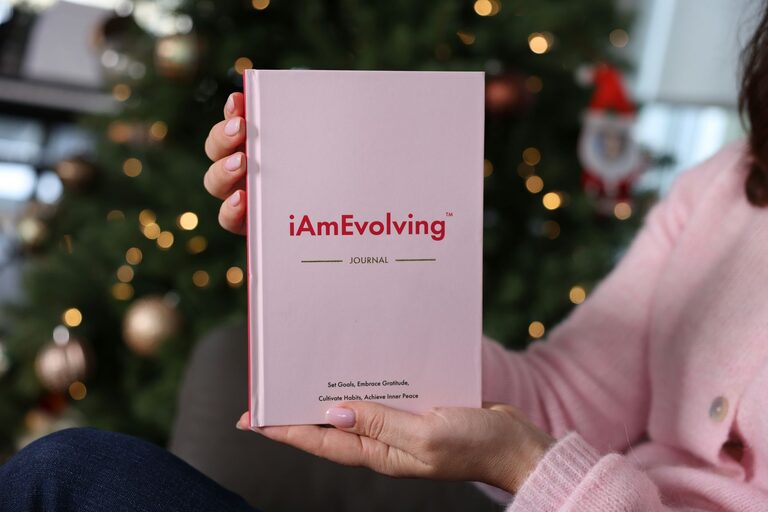
Gratitude journaling is a simple yet powerful practice that can help you focus on the positive aspects of your life. By regularly writing down things you are thankful for, you can improve your mood, reduce stress, and increase your overall sense of happiness. If you’re new to this practice, starting a gratitude journal might feel overwhelming, but it doesn’t have to be. This guide offers clear, step-by-step advice on how to begin your own gratitude journal and make it a meaningful part of your daily routine.
What Is a Gratitude Journal?
A gratitude journal is a personal diary where you record moments, people, or experiences you appreciate. It’s not about ignoring challenges but shifting your attention to what brings joy or comfort. The goal is to develop a habit of recognizing positive things, big or small, in your everyday life.
Benefits of Keeping a Gratitude Journal
Before diving in, it helps to understand why so many people find gratitude journaling valuable:
– Improved Mental Health: Regularly noting what you’re thankful for can reduce symptoms of depression and anxiety.
– Better Sleep: Reflecting on positive experiences before bedtime can lead to more peaceful sleep.
– Increased Resilience: Gratitude helps you cope better with stress and setbacks.
– Enhanced Relationships: Recognizing the kindness of others fosters stronger connections.
– Greater Mindfulness: It encourages you to be present and aware of the good around you.
How to Choose Your Journal
Starting your journal begins with selecting a notebook or an app that feels right for you. Here are some options:
– Traditional Notebook: A simple paper notebook can feel personal and tangible.
– Digital Notebooks: Apps like Evernote, Day One, or Google Keep offer convenience and accessibility.
– Gratitude Journal Apps: Specialized apps designed for gratitude journaling often include prompts and reminders.
Choose what fits your lifestyle and preferences, so you’ll be more likely to stick with it.
Steps to Start Your Gratitude Journal
1. Set a Regular Time for Writing
Consistency is key. Decide when you’ll write in your journal—morning, evening, or any quiet moment. Many find it helpful to write just before bed or shortly after waking up.
2. Begin with Simple Entries
Start small. Write down three to five things you’re grateful for each day. They can be as simple as a warm cup of coffee, a kind gesture from a friend, or a beautiful sunset.
3. Use Prompts to Guide You
If you’re unsure what to write, prompts can spark ideas. Examples include:
– What made you smile today?
– Who is someone you appreciate and why?
– What’s a recent challenge that taught you something valuable?
4. Be Specific and Personal
Focus on details to make your entries more meaningful. Instead of writing “I’m grateful for my family,” try “I’m grateful for my sister’s call today that made me laugh.”
5. Include Positive Emotions
Describe how the things you’re thankful for make you feel. This enhances the emotional impact of the practice.
6. Don’t Worry About Perfection
Your journal is for you alone, so there’s no need to write perfect sentences or lengthy paragraphs. The goal is genuine reflection, not literary quality.
Tips to Maintain Your Gratitude Journal
– Set Reminders: Use phone alarms or calendar notifications to prompt your journaling.
– Make It Enjoyable: Choose a cozy spot or a favorite pen to enhance the experience.
– Review Past Entries: Occasionally reread your previous gratitude notes to boost motivation.
– Be Patient: Building a habit takes time; don’t get discouraged if you miss a day or two.
– Share if Comfortable: Sharing your gratitude entries with close friends or family can deepen your appreciation and connection.
Overcoming Common Challenges
Feeling Like You Have Nothing to Be Grateful For
Everyone has moments when it feels hard to find positives. In those times, try to focus on the smallest things—the taste of a favorite snack, a moment of quiet, or simply the breath you’re taking.
Forgetting to Write Regularly
If life gets busy, set a flexible goal. Even one sentence is better than nothing. You can also keep your journal somewhere visible as a reminder.
Finding the Process Boring
Add variety by including drawings, photographs, or quotes that express gratitude. Experiment with different formats until you find what you enjoy.
Final Thoughts
Starting a gratitude journal is a simple step toward cultivating a more positive and mindful life. It doesn’t require special skills or a big time commitment — just a willingness to notice and appreciate the good around you. By making this practice a daily habit, you can enhance your emotional well-being and develop a deeper sense of contentment. So grab a notebook or open your favorite app, and start writing today. Gratitude is a habit, and like any habit, it grows stronger with daily practice.