
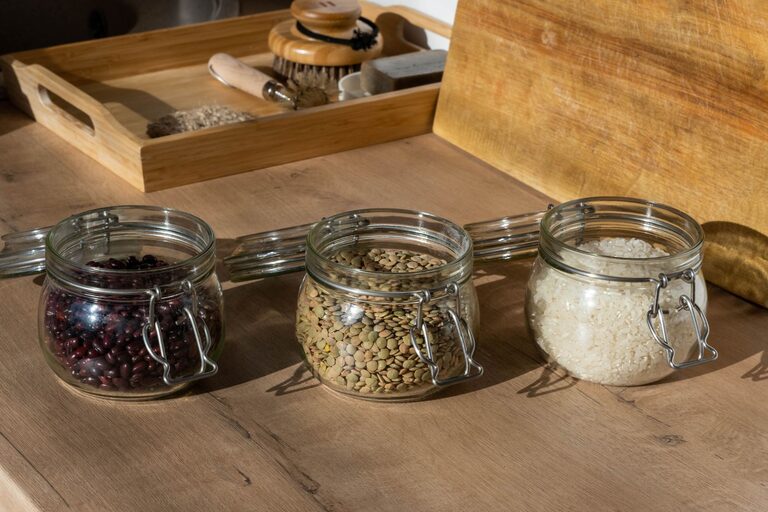
Planning meals from pantry staples is a great way to simplify your cooking routine, save money, and reduce food waste. Pantry staples are ingredients that have a long shelf life and can be combined creatively to make a variety of dishes. Whether you’re looking to whip up a quick meal on a busy night or want to stock your kitchen for emergencies, knowing how to plan meals based on what you already have can be a real lifesaver.
In this post, we’ll explore practical tips for organizing your pantry, choosing versatile staples, and creating meal plans that use these essentials effectively.
Why Use Pantry Staples for Meal Planning?
Using pantry staples means you always have ingredients ready to go. This approach helps you:
– Save time by reducing last-minute grocery runs
– Stick to a budget by using what you already own
– Minimize food waste by rotating pantry items regularly
– Maintain a well-stocked kitchen for emergencies or busy days
Common Pantry Staples to Keep on Hand
Before planning meals, it’s important to know which items are considered pantry staples. Here’s a list of versatile essentials to keep in your pantry:
Grains and Pasta
– Rice (white, brown, or wild)
– Pasta (spaghetti, penne, macaroni)
– Quinoa, couscous, or bulgur wheat
– Oats
Canned and Jarred Goods
– Canned tomatoes (diced, crushed, or sauce)
– Beans (black, kidney, chickpeas, lentils)
– Broth or stock (chicken, beef, vegetable)
– Coconut milk
– Tomato paste
Baking and Cooking Essentials
– Flour (all-purpose or whole wheat)
– Sugar (granulated, brown, or powdered)
– Baking powder and baking soda
– Salt and pepper
– Cooking oils (olive, vegetable, or coconut oil)
– Vinegars (white, apple cider, balsamic)
Spices and Seasonings
– Garlic powder and onion powder
– Dried herbs (oregano, thyme, basil)
– Chili powder, cumin, paprika
– Soy sauce or tamari
Other Useful Staples
– Nut butters (peanut, almond)
– Honey or maple syrup
– Nuts and dried fruits
– Stock cubes or bouillon
How to Organize Your Pantry for Meal Planning
A well-organized pantry makes meal planning quicker and easier. Here are some organization tips:
– Group Similar Items: Keep grains together, place canned goods in one area, and arrange spices on a shelf or rack.
– Label Containers: Use clear jars or labeled bins to store dry goods, making it easier to spot ingredients.
– Keep Essentials in Sight: Store frequently used items at eye level for easy access.
– Rotate Stock: Use older products first and place new purchases behind them to prevent spoilage.
Creating a Meal Plan Based on Pantry Staples
Step 1: Take Inventory
Start by listing everything in your pantry. Note quantities and expiration dates. This helps you understand what meals you can realistically prepare.
Step 2: Choose a Protein Source
Pick your protein from canned beans, lentils, or pantry-friendly items like canned tuna or peanut butter.
Step 3: Pick a Grain or Base
Select a carbohydrate such as rice, pasta, or quinoa as the foundation of your meal.
Step 4: Add Vegetables and Flavor
Use canned tomatoes, dried herbs, and spices to add flavor. You can also incorporate fresh or frozen vegetables if available.
Step 5: Pick a Cooking Method
Decide whether you want to make a soup, stew, pasta dish, or salad. This will help determine how to combine your ingredients.
Step 6: Create Meal Ideas
Here are some simple meal concepts using pantry staples:
– Chickpea Curry: Use canned chickpeas, coconut milk, canned tomatoes, and spices like cumin and turmeric. Serve with rice.
– Pasta with Tomato Sauce: Cook pasta and toss with a sauce made from canned tomatoes, garlic powder, olive oil, and dried basil.
– Rice and Beans: Combine cooked rice with canned black beans, sautéed onions (fresh or dried), and chili powder.
– Lentil Soup: Use dried lentils or canned lentils with broth, canned tomatoes, and herbs for a hearty soup.
– Tuna Salad: Mix canned tuna with mayonnaise or olive oil, add dried herbs, and serve on crackers or bread.
Tips for Expanding Your Pantry Meals
– Use Fresh Ingredients When Possible: Fresh garlic, onions, and vegetables can enhance your pantry-based meals.
– Try Batch Cooking: Prepare larger portions and freeze leftovers for quick meals later.
– Experiment with Spices: Changing spices can transform similar ingredients into different cuisines.
– Incorporate Leftovers: Mix leftover vegetables or proteins into pantry meals to avoid waste.
Conclusion
Planning meals from pantry staples doesn’t have to be complicated. With a little organization and creativity, you can turn simple ingredients into tasty, satisfying dishes. Keeping a well-stocked, organized pantry empowers you to cook efficiently and enjoy a variety of meals without constant trips to the store. Start today by taking inventory and exploring new recipes based on what you have at home!